Is ChatGPT the Next Big Artist?

AI USED: Grammarly for spell check.
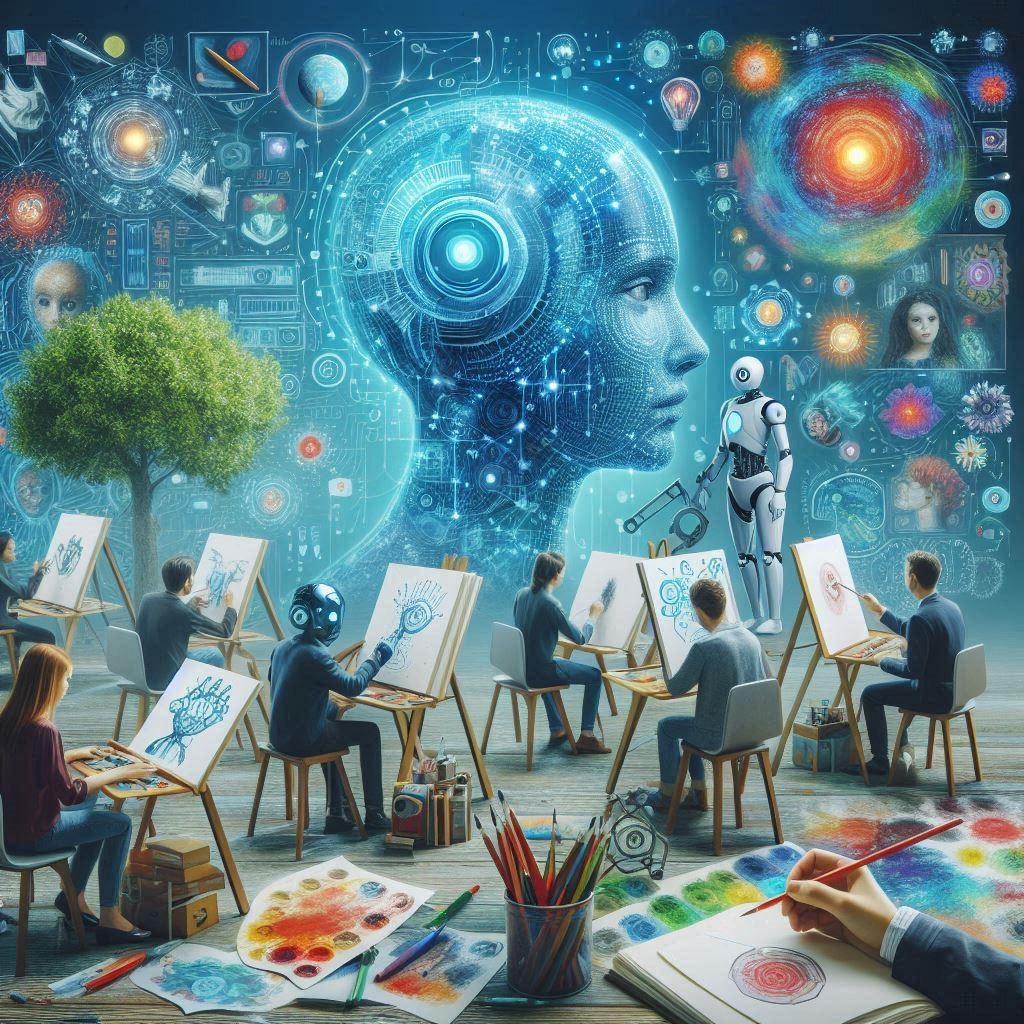
Shaner, Kyle. “UC Student Explores AI Art Ethics”. UC News, July 31, 2024, https://www.uc.edu/news/articles/2024/07/uc-student-explores-ai-art-ethics.html 

Some ethical and inclusive concerns I have are for those who cannot connect with visual art, such as those with visual disabilities. I am also concerned about language barriers, misunderstanding from non-artists, and those who struggle with brainstorming.

How I plan to address these concerns is by relating how this method could be used for non-visual art such as music, or creating captioning for my images I provide that can then be played out loud. I also want to make it so that there could be a translator applied by using simple language that can be directly translated. For non-artists, I want to explain my process in depth and all that goes into art to show how AI really can affect it. That in turn can also explain my art process and ideas compared to how other artists may do things.

To also connect this to data collection and privacy with ethics, I want to be transparent in my AI usage by stating my prompts, my results, what models I use, why I am using them, and anything else I come across that could be related. It is a concern of mine whether or not the AI will be taking my art and ideas that are entered and using them to train and take them for its own benefit. But this is a concern I can raise to other artists who may not be aware. In the Cornell study I am using as a source, they also mention this is saying, “Accusations of art theft arose surrounding the use of creatives’ works to train these models, as image outputs emulated prominent artists’ styles without their consent” (Campitiello). This highlights my point of concern about my personal art being integrated into the model. All art styles are different, but if the model uses them all to train, then that unique aspect can disappear.

It will also be interesting to see if the different AIs I will use will create different pieces based on bias. Another point is figuring out if AI prompting for art takes more electricity and damages the environment more than an average prompt. To continue this thought, is using AI for planning or referencing plagiarism? Technically, you are not using your own ideas for a starting point, similar to how you may reference a reading in text. These are all things I need to think about further during this process. 

To go with this concern, all that Google’s prompt guide shows for art is the description of its ability. This description is, “Design prompts that specify art styles, techniques, and subject matter to guide the AI in creating images that mimic specific artistic movements or evoke certain emotions.” (Google). The environmental concern for me is that, yes, you can submit a specific prompt as it says, but you will most likely need to refine the prompts and continue prompting. Therefore, it is not a single entry of an image prompt, but something you have to continue to submit multiple times for small fixes that it may not understand or ever fix. It specifically says, “to guide the AI” (Google), showing that you have to continue to give direction to it. We went over this prompt guide in class; however, we didn’t focus on this part of the reading, the part related to images. So in my study, I want to further explore this topic.

To represent the art community, I am referencing sources from other artists doing a similar study to show their ideas on the topic and their differing uses/styles. As I am just one artist out of millions, my ideas are not universal. And for others to test this, I can give prompts and something to try on their own to facilitate community participation.

In reflection of my planning, more concerns have come to me, such as these environmental impacts, how inclusive my work needs to be, and if the AI will take my art style. I will continue to reflect and try to find answers for these as I work.

Campitiello, Jess. “AI vs. Artist: The Future of Creativity.” Cornell Tech, February 20, 2023, https://tech.cornell.edu/news/ai-vs-artist-the-future-of-creativity/ 

“Prompt Engineering: Overview and Guide.” Google Cloud, May 4, 2026, https://cloud.google.com/discover/what-is-prompt-engineering  
Final Project Idea – AI vs Human Creativity

AI Used: Grammarly for spell check.

I want to explore more about AI prompting and its uses. I also want to see how it affects human creativity. My idea is to compare artists’ minds to AI art.  Some of my research questions I am thinking about are:

  • Does AI accurately project artistic expression/ideas even with refined prompting? 
  • Does AI affect the artistic process?
  • How do artists use AI in their process?
  • Do they have it do all the work? 
  • How would it compare to creating ideas for an art piece? 
  • Does it affect the ability to come up with new ideas for a piece? 
  • Can the AI create your idea as you imagined?
  • Is it easier to have it generate an idea, or to control exactly how you want it? 
  • Could it be used as a reference, then you create the piece yourself? 

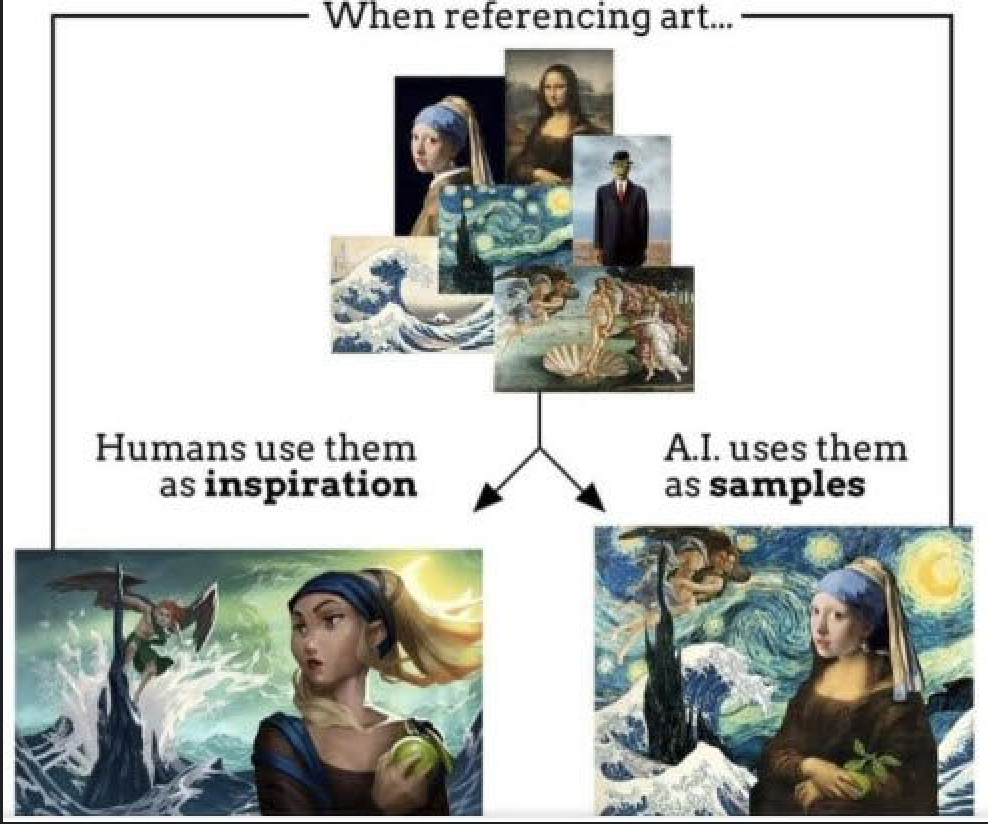
Figure 1: Murphy, Derek. Unknown Title. Digital Art, The Creative War Against Art Has Already Been Lost. https://www.creativindie.com/the-creative-war-against-ai-art-has-already-been-lost/

Now this is a long list of questions, so I want to refine it; however, this is just a proposal, so I am still brainstorming. As an artist, I like to compile my reference photos myself by doing historical research, positioning things in my artwork, finding portraits or people who look like my imagination, and more. I am able to control the colors I want and the angles of a piece. I can pick the sizing between focal points in my work. With AI, it creates its own image rather than knowing exactly what you want. I want to see if it can change to be similar to my idea through specific prompting or by giving it images I want to use.

 Some sources I want to refer to are:

I would like to focus on the skill of prompting AI, as it is being used more and more. I would like to use several to compare, such as ChatGPT and Gemini. I have not yet decided on my prompts or outputs; I am brainstorming. As the new head of social media and creator of The POT for the student engagement office at The College of Wooster, I need to know a lot about graphic design. I have to know how to creatively use my own ideas. I compete against a lot of marketing that involves AI, while personally I like to avoid it. However, with the knowledge of how prompting works, I can then apply it to my own thinking and not an LLM. I can ask myself those questions instead to then narrow my own ideas. But I also can see what the competition is using to create their ideas as well. As well as this, many jobs in the field I want to go into, social media marketing, it is helpful to know how to use AI creatively and effectively. A major skill to help with this is to know about prompting and how to control the AI.

Therefore, I want to practice by being specific in my prompting for art, as I do a lot of graphic design media. If I can accurately have it create exactly or as close as possible what I want through prompting, it can be a helpful tool to have in the new world of AI. This then leads to me learning how it may impact my creativity along the way as well and exploring the ethics or worth of using the AI. I can see if I find myself starting to rely on the AI and be affected as the MIT study showed, and I can see how its effectiveness could overrule the need for humans in the job market. To do all of this, I would also like to refer to the reading about how to prompt AI and test different ones and see if they interpret my ideas differently.

For my idea development, I did not use any LLM and decided to focus on creating with my own brainstorming. The underlying humanities stakes of my project are: How can using AI affect the creative process? Can it change your ideas in the art world? Can you really accept the art as your own? Is it even useful? Who my ideal public audience might be and how they would interact with my project is: My ideal public would be artists or those interested in the effects of AI art. They would interact with it by seeing the pros and cons, the effects, and challenging their ideas about the topic. They may agree or disagree with my takes and results; however, to do that, they still need to analyze and process my work. The skills I already have or would like to develop might translate into digital methods through: using my own art abilities and ideas to create on my own and then translate those into how I would prompt someone else. I then would format that prompting and insert it into the AI. 

Two non-obvious cultural or historical angles on this topic that an undergraduate might easily overlook are the idea of creation and the idea of art overall. Many artists see art as human expression, so by taking that away, the art doesn’t accurately affect emotion. It also takes away an old art form that has been around for thousands of years that tells stories through human time. By taking this away, it could impact our future and the way people look back on the past in our era. By AI not being able to fully use human cognition and thinking, it can misunderstand and thus misrepresent our time. Then, in the future, people could look back on now and not fully understand what happened. One major blind spot or trap that I might fall into when trying to represent this kind of humanities problem with digital tools is that I cannot accurately express my ideas.

 To work around this, I want to randomize what I will create by asking a friend for an idea. I will then create something fully on my own so that I have my own personal representation. Then I will enter the same prompt into several LLMs and see how it interprets it. I then will prompt it to lead into my idea and see if it can create something as similar as possible to my idea. I then will have a separate prompt where I create a reference photo on my own, then have it create one, and then create a piece from both to see how it affected my creative process. I also have found sources where other artists have tried this method, and I would compare my findings to theirs.

For this project, I will not be working in a team. I have decided to work on my own due to this surrounding my own creative process.

Further thinking: Does AI accurately project artistic expression/ideas even with refined prompting? Does AI affect the artistic process? I will keep refining these ideas and find what exact questions I want to ask. Media I want to include are pictures compiled of my art and my reference I made vs. AI art and the AI reference it made. I also want to connect it to the idea of what is art, what is creativity, and more.

My Thoughts on AI – Project Report 2

AI Used: ChatGPT for prompts & Grammarly for spell-check

College students should not use AI for academic work because, in both the MIT study and our own, it was shown that people do not remember their work, don’t really learn, and it takes away the ability to think cognitively. A quote from the study that shows this is, “LLM-to-Brain participants showed weaker neural connectivity — Brain-to-LLM participants demonstrated higher memory recall” (MIT). By studying the brain patterns through EEGs and recall tests, it shows real-time effects of AI usage on the participants.

A thing to note, however, is that the study’s results were,”context-dependent and focused on writing an essay in an educational setting and may not generalize across tasks” (MIT). This does point to the fact that the study is not catch-all and does not address all things that AI can, for example, do or affect. But it does focus on it in an academic-based field, which is what we are discussing.

With all this in mind, I personally do not think AI should be used in academic tasks. To me, the point of college is to learn, and to do that, you need to be able to remember it as well. With the results of low recall with AI usage, it does not support my ideals of why I go to college. It also can teach incorrectly, if not at all. With major tools used by students like Grammarly, the ability to check grammar or people’s blind trust in it affects grades and mental cognition. On the other hand, it can help with disabilities such as dyslexia. It can spell-check for you if needed, but it can also guess the wrong word you were looking for.

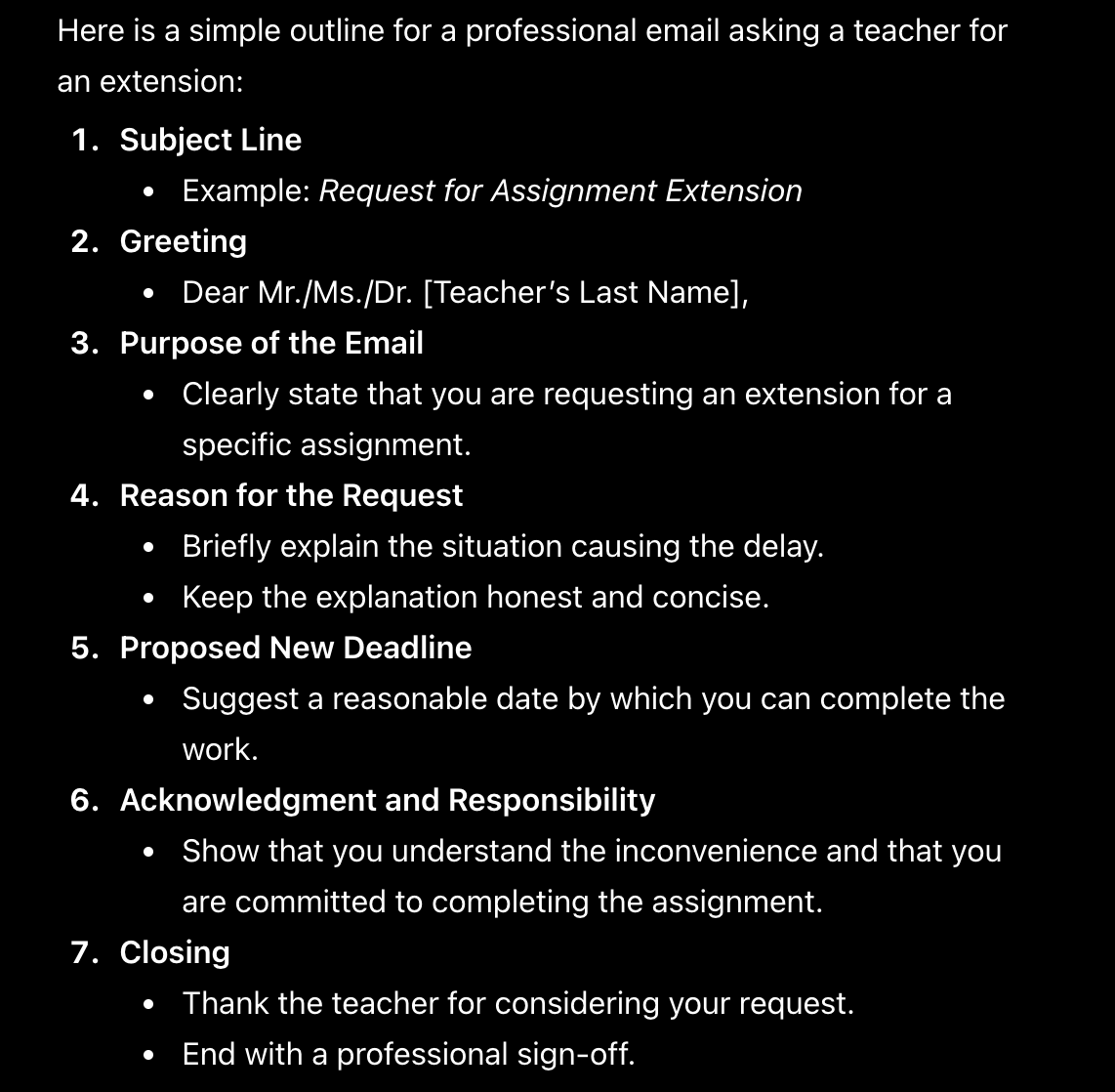
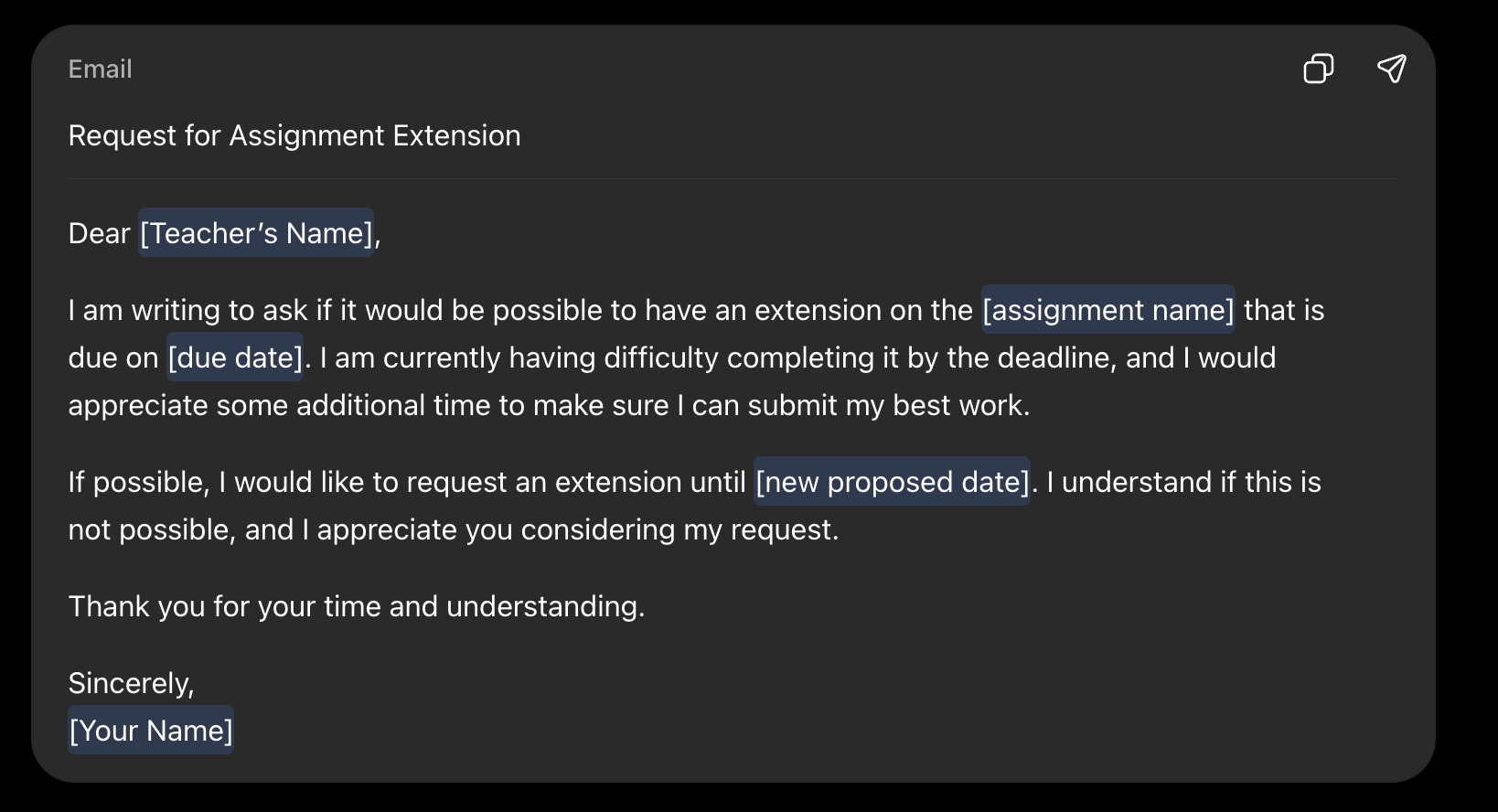
A test I did was asking ChatGPT 2 prompts:

  • Give me an outline of a professional email to a teacher asking for an extension.
  • Write me a professional email to a teacher asking for an extension.

Image for Prompt 1- It outlines what I need to do and has me still format and learn how to write an email. It gives me a simple outline instead of guessing what I want to say, how I speak, the environment I’m in, etc.

Image for Prompt 2- It writes it for me and interestingly gives an excuse of just having “difficulty completing”.  It assumes the situation; I could be sick or injured. It fully chooses the format and tone of the message. 

This takes me into how I would use or not use AI in academics for the future. I like how it gives an outline; this could be related to finding key points in reading. I can then do the reading and look for these ideas to focus on, but also find things in the reading on my own. I would not have it do the reading for me, or, connected to my example, write my email, because then I do not control what I am taking from the reading and am not learning on my own.

Through this process, I have further supported my opinion on not wanting to use AI in academics. As we continue to test prompts and learn the inner workings of LLMs, I further wish to rely on myself. We have proven in class that our brains are more helpful than a fake one. We learn through ours, remember through ours, and we most importantly think.

WORKS CITED

Nataliya Kosmyna et al, MIT Media Lab (2025). Your Brain on ChatGPT: Cognitive Debt when Using an AI Assistant for Essay Writing Task

Image 1. Screenshot of ChatGPT response to “Give me an outline of a professional email to a teacher for an extension” prompt.

Image 2. Screenshot of ChatGPT response to “Write me a professional email to a teacher asking for an extension” prompt.

AI and Its Wonders

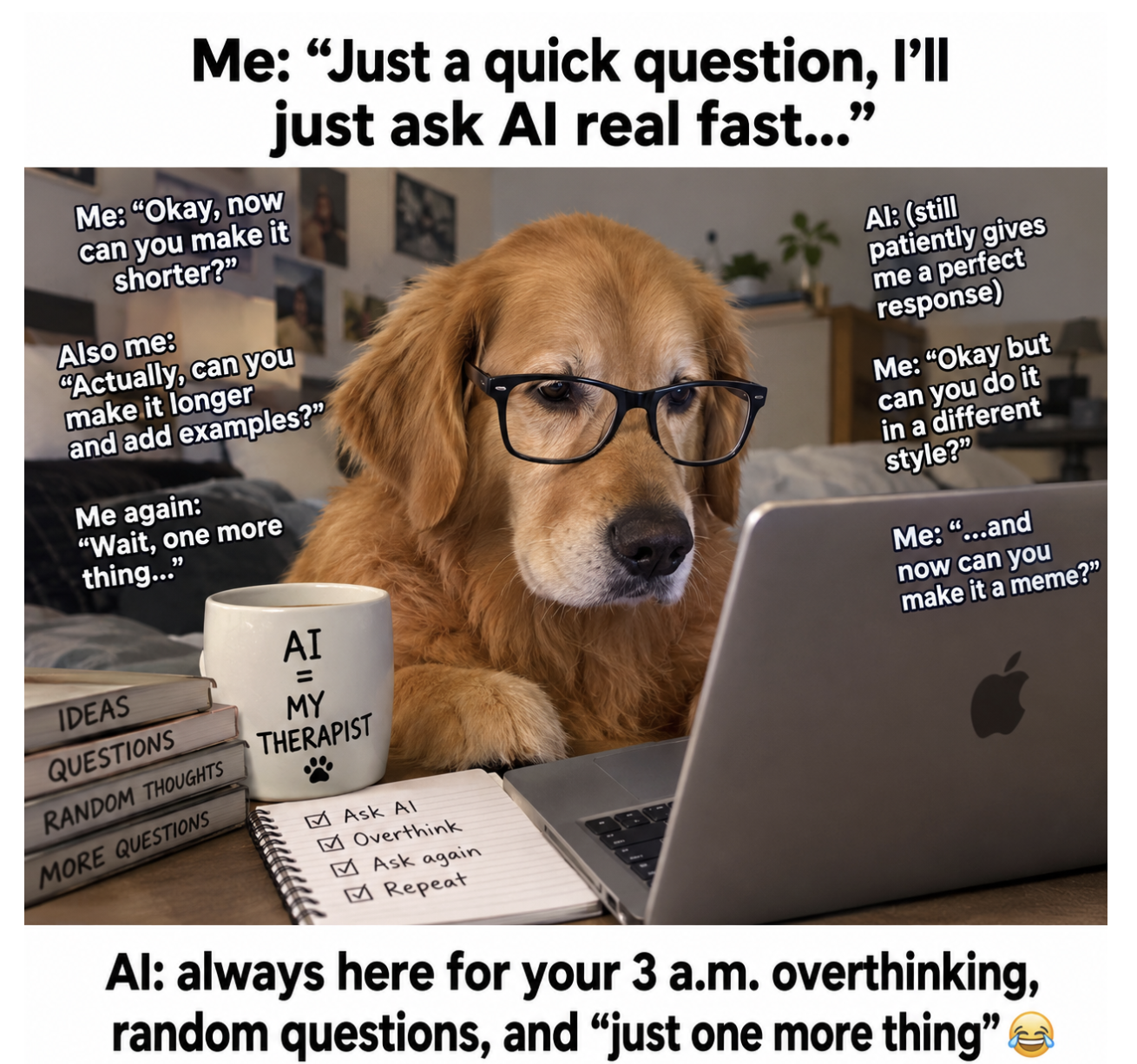
AI Used: Grammarly for spellcheck and ChatGPT to make the image.

Why You Should Care:

You should care because it is affecting your ability to process and analyze information. Most people also blindly accept the answers they get without further questioning. Sometimes the information is wrong, and you are learning incorrectly. It also affects the environment, so while you may be learning incorrectly, you also are harming the world.

Something Intersting/I Did Not Know:

I didn’t think about was the idea of correcting the AI and giving it feedback. In the UT Guide, they mention giving feedback to better tailor your AI, where I normally just go with what it gives me (p.2). I also didn’t know there was a difference between open and closed AI; however, now that I do, I can more effectively use them to cater to my needs.

Something That I Can Apply To Academics:

I could use it to make a study guide but then go over the information myself. I can use it to form ideas or questions so that I have a focus point to study on my own. AI can also be used to find information quickly on Google; it may not be correct, but it gives you a starting idea. I know someone who asked it for the outline of how to format an APA citation; you then go in and fill it out yourself with your article.

Something Else To Share:

I am not very familiar with AI. The majority of this is new to me as someone who grew up in a less technologically advanced place. As an artist, the rise of AI art is frustrating. I want to be able to keep my creativity and ability to compose a work. Some ask for generated ideas or projects, but you need to prompt very specifically to get exactly what you want; when, in person, you can do it. The AI cannot see your idea in your head and may never get it exactly correct. It is taking away creativity and the value of real artists.

Image Citation: Prompt “Make a funny meme about AI”, ChatGPT, 2026 https://chatgpt.com/c/6aa1b02a-2ffc-83ea-8fc5-fcac2f09b05e 

UT Citation: The University of Texas System (2025). UT Aspire Prompt Literacy https://www.utsystem.edu/sites/default/files/documents/general-documents/2025/ut-aspire-prompt-literacy/ut-aspire-prompt-literacy.pdf 

Project Report 1: Dogs Names vs Breeds

In my graph, I am trying to portray the number of dogs, per breed recorded, that are named “Max” in Staten Island, NY. However, it will only let me report all of the names. The Y-axis is the breeds of dogs recorded (unfortunately, the axis would not label correctly after trying to work with it for a while), and the X-axis is the number of dogs per breed with the corrolating name. The use of the bar graph shows the difference in amounts by color-coding each breed.

The way that the data was set up the information was limited. There is no way to know if the data is recent, if it changed based on trends over time, or account for dogs not listed. When collecting the raw data I would look at age of the dogs, time name was collected, and age of owners to see if that impacted the naming process. Ethically, I would like to know if the names were given or if the names were collected through records. Do the owners know that the names and breeds have been collected?

In reflection, the tool Flourish was very confusing to use. I am not familiar with doing data online and when trying to name axies I was not able to customize them. The key is also a bit too much and I would maybe limit my data to just the top 5 breeds. When reflecting on the data itself, i go back to why i chose to research this question specifically. My dog is named Maxwell, Max for short, and he is a labrodoodle. I wanted to see where he would fall onto this graph’s data. However, it only let me do all the names, and I was unable to limit my data.

Blog 2: Turning The Wooster Voice into Data

Some interesting questions in my group were: What is deemed important to tell the students? What topics are repeated? Who is writing/contributing the most to The Voice?

These are interesting because it gets into the reason The Voice exists, how it is used, who it is for, and if it is informative. Another significant benefit is being able to look at these records in the future, providing historical data for study.

To organize my main question of what is talked about in the voice, I would break it down:

My rows would include:

  • what week/ time the voice article I am looking at is.

What the columns would be:

  • Who is the author?
  • What is the main topic of the week?
  • Was this topic repeated in another week?
  • Is this a topic related to the school or a global event?
  • Was a day or week missed?

Some keywords would be for the rows, such as global or local, or repeated or single post. 

For data privacy, I would be sure to get permission from the authors to use their work in my studies, as their names are attached to the writing. I do have concerns about authors being targeted about topics that may be less agreed upon. The information is publicly posted already; however, if any personal information is in the writing, I would keep it vague.