AI Used: Grammarly for spell check.
I want to explore more about AI prompting and its uses. I also want to see how it affects human creativity. My idea is to compare artists’ minds to AI art. Some of my research questions I am thinking about are:
- Does AI accurately project artistic expression/ideas even with refined prompting?
- Does AI affect the artistic process?
- How do artists use AI in their process?
- Do they have it do all the work?
- How would it compare to creating ideas for an art piece?
- Does it affect the ability to come up with new ideas for a piece?
- Can the AI create your idea as you imagined?
- Is it easier to have it generate an idea, or to control exactly how you want it?
- Could it be used as a reference, then you create the piece yourself?
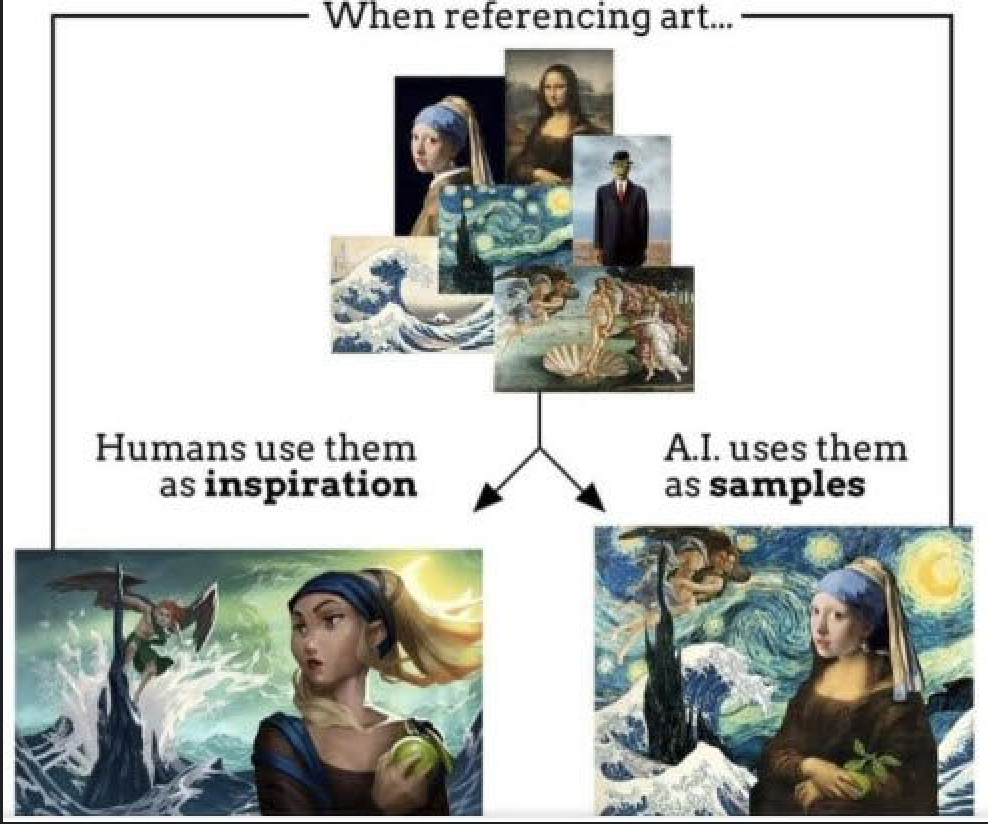
Figure 1: Murphy, Derek. Unknown Title. Digital Art, The Creative War Against Art Has Already Been Lost. https://www.creativindie.com/the-creative-war-against-ai-art-has-already-been-lost/
Now this is a long list of questions, so I want to refine it; however, this is just a proposal, so I am still brainstorming. As an artist, I like to compile my reference photos myself by doing historical research, positioning things in my artwork, finding portraits or people who look like my imagination, and more. I am able to control the colors I want and the angles of a piece. I can pick the sizing between focal points in my work. With AI, it creates its own image rather than knowing exactly what you want. I want to see if it can change to be similar to my idea through specific prompting or by giving it images I want to use.
Some sources I want to refer to are:
- The MIT Study
- The prompting guides we read over
- Cornell study on the Future of Creativity: https://tech.cornell.edu/news/ai-vs-artist-the-future-of-creativity/
- AI vs. human art and how they could work together: https://itsartlaw.org/art-law/artificial-intelligence-versus-human-artists-ai-as-a-creative-collaborator-in-art/
I would like to focus on the skill of prompting AI, as it is being used more and more. I would like to use several to compare, such as ChatGPT and Gemini. I have not yet decided on my prompts or outputs; I am brainstorming. As the new head of social media and creator of The POT for the student engagement office at The College of Wooster, I need to know a lot about graphic design. I have to know how to creatively use my own ideas. I compete against a lot of marketing that involves AI, while personally I like to avoid it. However, with the knowledge of how prompting works, I can then apply it to my own thinking and not an LLM. I can ask myself those questions instead to then narrow my own ideas. But I also can see what the competition is using to create their ideas as well. As well as this, many jobs in the field I want to go into, social media marketing, it is helpful to know how to use AI creatively and effectively. A major skill to help with this is to know about prompting and how to control the AI.
Therefore, I want to practice by being specific in my prompting for art, as I do a lot of graphic design media. If I can accurately have it create exactly or as close as possible what I want through prompting, it can be a helpful tool to have in the new world of AI. This then leads to me learning how it may impact my creativity along the way as well and exploring the ethics or worth of using the AI. I can see if I find myself starting to rely on the AI and be affected as the MIT study showed, and I can see how its effectiveness could overrule the need for humans in the job market. To do all of this, I would also like to refer to the reading about how to prompt AI and test different ones and see if they interpret my ideas differently.
For my idea development, I did not use any LLM and decided to focus on creating with my own brainstorming. The underlying humanities stakes of my project are: How can using AI affect the creative process? Can it change your ideas in the art world? Can you really accept the art as your own? Is it even useful? Who my ideal public audience might be and how they would interact with my project is: My ideal public would be artists or those interested in the effects of AI art. They would interact with it by seeing the pros and cons, the effects, and challenging their ideas about the topic. They may agree or disagree with my takes and results; however, to do that, they still need to analyze and process my work. The skills I already have or would like to develop might translate into digital methods through: using my own art abilities and ideas to create on my own and then translate those into how I would prompt someone else. I then would format that prompting and insert it into the AI.
Two non-obvious cultural or historical angles on this topic that an undergraduate might easily overlook are the idea of creation and the idea of art overall. Many artists see art as human expression, so by taking that away, the art doesn’t accurately affect emotion. It also takes away an old art form that has been around for thousands of years that tells stories through human time. By taking this away, it could impact our future and the way people look back on the past in our era. By AI not being able to fully use human cognition and thinking, it can misunderstand and thus misrepresent our time. Then, in the future, people could look back on now and not fully understand what happened. One major blind spot or trap that I might fall into when trying to represent this kind of humanities problem with digital tools is that I cannot accurately express my ideas.
To work around this, I want to randomize what I will create by asking a friend for an idea. I will then create something fully on my own so that I have my own personal representation. Then I will enter the same prompt into several LLMs and see how it interprets it. I then will prompt it to lead into my idea and see if it can create something as similar as possible to my idea. I then will have a separate prompt where I create a reference photo on my own, then have it create one, and then create a piece from both to see how it affected my creative process. I also have found sources where other artists have tried this method, and I would compare my findings to theirs.
For this project, I will not be working in a team. I have decided to work on my own due to this surrounding my own creative process.
Further thinking: Does AI accurately project artistic expression/ideas even with refined prompting? Does AI affect the artistic process? I will keep refining these ideas and find what exact questions I want to ask. Media I want to include are pictures compiled of my art and my reference I made vs. AI art and the AI reference it made. I also want to connect it to the idea of what is art, what is creativity, and more.